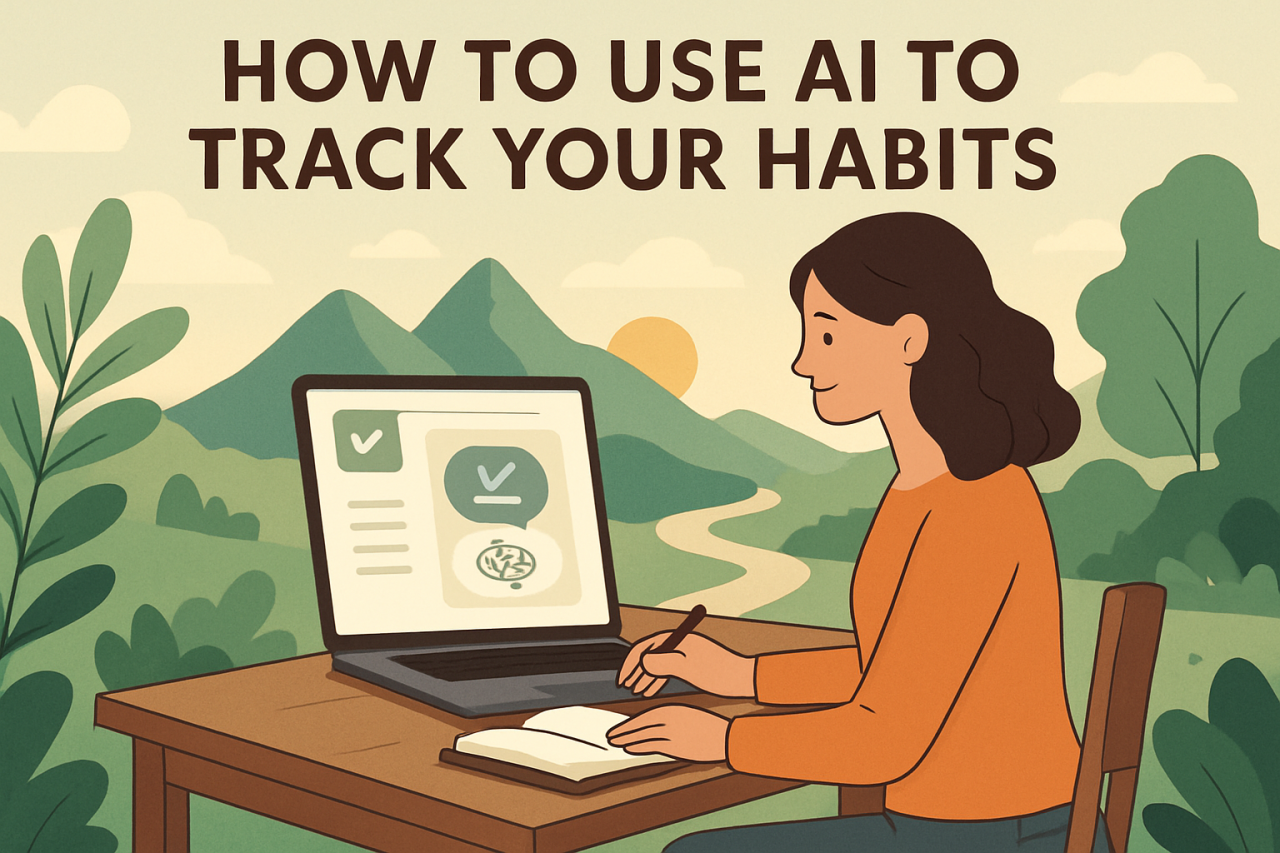
How to Use AI to Track Your Habits: A Reflective Guide with a Dash of Geeky Delight
Let’s be honest. Habit tracking sounds about as exciting as watching paint dry—unless, of course, you’re a data nerd. (Guilty as charged.) But in this age of AI, tracking your habits can feel less like a slog and more like a sci-fi upgrade to your daily life. Seriously, who wouldn’t want a digital coach that nudges you to meditate, floss, or—dare I say—finally read that book on quantum physics?
Here’s how I use AI to track my habits, and how you can tap into this magic to level up your productivity, learning, and well-being. Don’t worry; no PhD in machine learning required.
1. Let the Machines Sweat the Small Stuff
First, the basics. Classic habit trackers—think bullet journals or checklists—are fine if you enjoy analog charm. But AI-powered apps like Streaks, Habitica, or (my personal favorite) Loop bring a whole new dimension. They don’t just record what you did; they learn from your patterns.
For instance, after a few weeks of tracking my exercise, my AI app started nudging me not just to work out, but to do it at the time I’m statistically most likely to stick with it. (Apparently, my willpower peaks at 7:43 AM. Who knew?)
Pro tip: The less you have to think about what to do next, the more brainpower you save for important things—like deciding what’s for lunch.
2. Turn Data into Delight
Here’s where it gets fun. AI doesn’t just collect data; it can interpret it. After a month of tracking my screen time, my digital assistant gently pointed out that my “five-minute” TikTok breaks were suspiciously close to 47 minutes. Oops.
AI can visualize your progress, spot patterns, and offer insights. Imagine a friendly chart that says, “Hey, you sleep better when you read before bed. Maybe skip the midnight Twitter scroll?” It’s like having a personal coach, minus the whistle.
Pro tip: Don’t just glance at the graphs. Take a moment to reflect. Celebrate the tiny wins! Progress isn’t always a straight line—sometimes it looks like a rollercoaster drawn by a caffeinated squirrel.
3. Automate Accountability (With a Smile)
Here’s the real secret sauce: accountability, powered by algorithms. Modern apps can ping you when you’re about to slip up, or—my favorite—send you a motivational meme when you hit a milestone. (“Congratulations! You’ve meditated for ten days straight. Your brain thanks you, and so do your houseplants.”)
You can even set up AI-driven reminders that adapt to your lifestyle. If you tend to skip workouts on rainy days, your app might suggest an indoor alternative. It’s like your own behaviorist, but with less judgment and more emojis.
Pro tip: Gamify your streaks. Most apps let you earn badges, unlock achievements, or compete with friends. Who says building good habits can’t feel like leveling up in Zelda?
4. Learn, Iterate, Repeat
Here’s a confession: I’ve failed at more habits than I’ve mastered. But AI makes it easier to treat each attempt as an experiment. If you notice you’re consistently skipping journaling on Fridays, maybe it’s not you—it’s the system. Tweak your routine, adjust your reminders, and let the AI track what works.
Pro tip: Think of habit tracking not as a test, but as a sandbox. The goal isn’t perfection—it’s progress, powered by curiosity.
Final Bytes of Wisdom
Habits shape our days, and our days shape our lives. With AI in your toolkit, tracking habits becomes less of a chore and more of an adventure in self-discovery. The algorithms don’t judge or nag (okay, maybe just a little), but they do help you spot patterns, celebrate progress, and gently steer you toward the best version of yourself.
And remember: whether you’re coding at midnight, learning a new language, or just trying to drink more water, the real magic isn’t in the app—it’s in you. The AI is just there to sprinkle a little stardust on the process.
Happy habit hacking! 🚀

Comments (0)
There are no comments here yet, you can be the first!