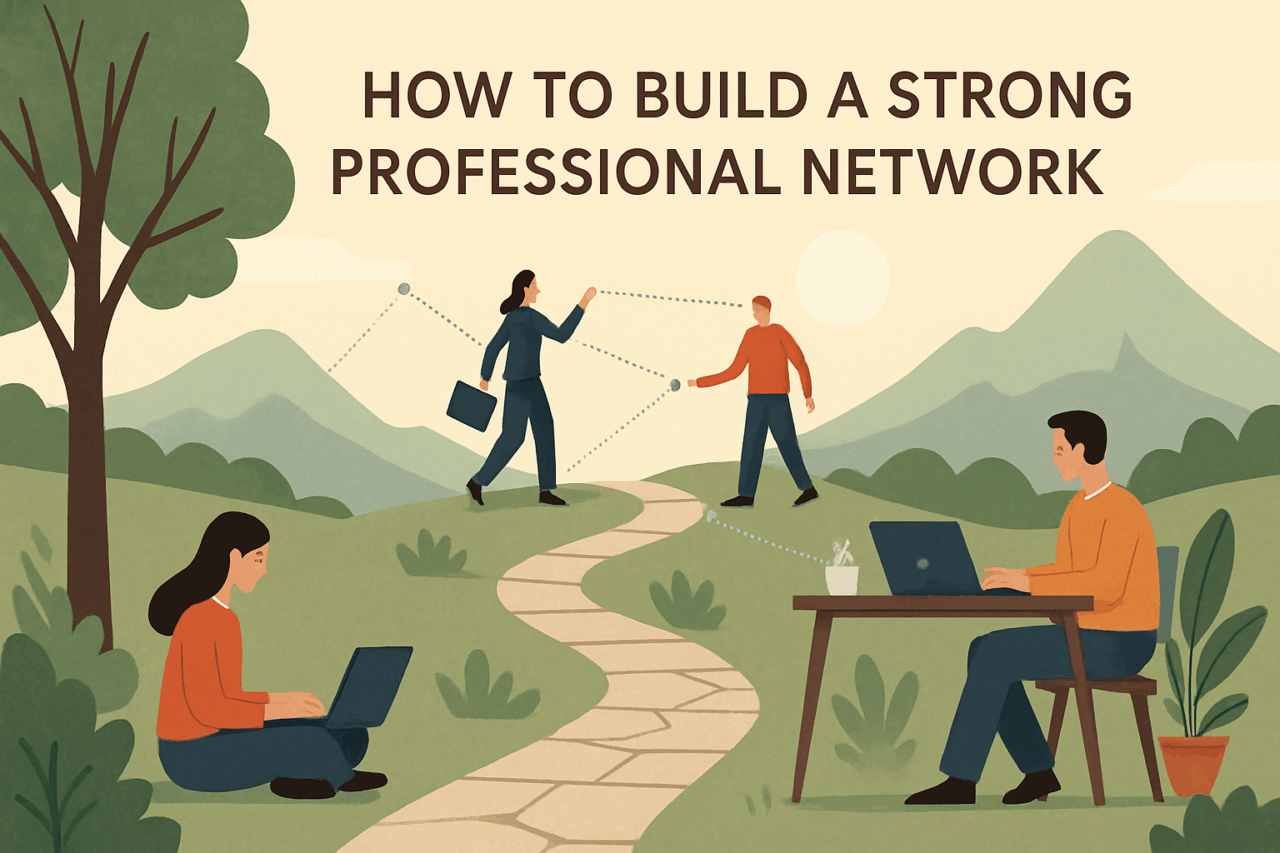
How to Build a Strong Professional Network: Lessons from Coffee Chats and Coding Bugs
If you’d told my university self—quiet, coding until midnight, and thinking “networking” was a bug in the system rather than a feature—I’d one day write about building a professional network, I’d have replied: “Can I just push to GitHub instead?” Yet here I am, reflecting on how a few conversations changed the course of my career, and why the art of connecting is as essential to productivity as a well-commented codebase.
Let’s debug the myth right away: Networking isn’t about schmoozing at endless mixers, collecting business cards like rare Pokémon. It’s about curiosity—about people, their journeys, and the ideas that light them up. At its best, networking is the ultimate open-source project: you contribute, you learn, and sometimes, you fork a new friendship.
Coffee Over Cold Calls
The best connections I’ve made started with a simple question—sometimes over coffee, sometimes via a polite LinkedIn message. (Pro tip: “Hi, I love your work and would love to learn about your journey” gets a much better response than “Can you endorse my skills?”) Approach networking with the curiosity of debugging: What can I learn? Where can I help? When you turn a meeting into a mutual exploration, the pressure lifts—and the conversation flows.
Productivity: The Compound Interest of Relationships
Here’s the fun part: Networking actually boosts productivity. When you know who to call for advice, you solve problems faster. When you share your own insights, you clarify your thinking. Think of your network as an external cache—one that’s always being updated with new knowledge. Invest a little time each week (say, one coffee chat or thoughtful email), and the returns compound. Suddenly, you’re not just more productive—you’re more resilient.
Learning: The Network Effect
We’re in the golden age of learning, but you don’t need to master every new framework alone. Your network is an ever-expanding classroom. I’ve picked up everything from leadership tips to obscure Python tricks from peers and mentors. Ask questions, share what you’re learning, and don’t be afraid to admit when you’re stuck. Vulnerability, it turns out, is a feature, not a bug.
Well-being: Your Safety Net
Let’s get real: Work (and life) can be overwhelming. A strong network isn’t just about career advancement; it’s about well-being. During tough sprints (literal and metaphorical), it’s the people who cheer you on—or remind you to log off and take a walk—who make all the difference. In my experience, genuine connections are the best antidote to burnout.
A Few Playful Hacks:
– Be the bridge: Introduce people who might help each other. You’ll be amazed how often this comes back as good karma.
– Show up, follow up: One coffee chat is nice; a thoughtful thank-you note or a follow-up question is even better.
– Share your “aha!” moments: Whether it’s a new tool or a funny work mishap, sharing sparks conversations—and creates common ground.
So, the next time you hesitate to reach out, remember: Networking isn’t just about climbing the ladder. It’s about building a playground of possibilities, one conversation at a time. And if you ever want to chat about coding bugs—or just life’s big refactors—you know where to find me.

Comments (0)
There are no comments here yet, you can be the first!