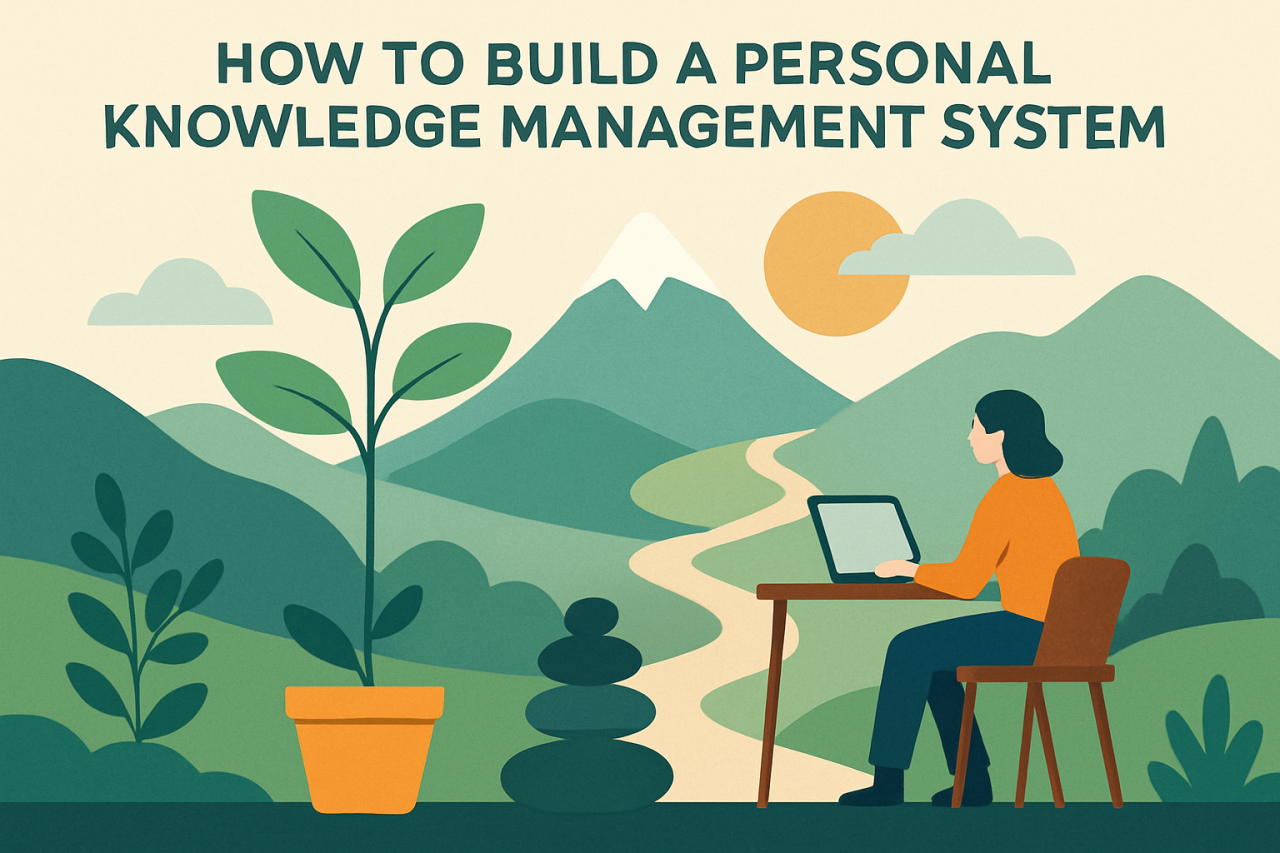
How to Build a Personal Knowledge Management System: The Art of Remembering What You Forgot You Knew
Ever had that déjà vu moment where you’re sure you read something brilliant last week, but today it’s as elusive as your gym motivation on a Monday? Welcome to the wonderful world of knowledge management—or, as I like to call it, taming the wild jungle of your own mind.
Let’s face it: in the age of infinite tabs, newsletters, and that friend who sends you twenty “must-read” articles a day, our brains are groaning under the weight of all we could know. But fear not. Building a Personal Knowledge Management System (PKMS) is less about becoming a human Google and more about creating a friendly, ever-evolving library that knows what you need before you do.
1. Start with Why (Sorry, Simon Sinek, but it’s true)
Before you dive into tags, tools, or color-coded folders, ask: Why am I doing this? Is it to deepen your expertise? To spark creativity? To finally remember the names of all the Star Wars planets? Pinning down your “why” will shape everything that follows. For me, it’s about connecting dots—turning scattered insights into new ideas (and, occasionally, blog posts that make me look smarter than I am).
2. Choose Your Weapons Wisely
Notion, Obsidian, Roam, Evernote, a notebook with coffee stains—tools matter, but not as much as you think. The best PKMS is the one you’ll actually use. Personally, I’m a fan of digital tools with backlinking (because, let’s be honest, my handwriting is only decipherable by cryptographers). But don’t get paralyzed by choice. Start simple, upgrade later.
3. Capture, Don’t Hoard
It’s tempting to save everything. Don’t. Your PKMS is not a digital landfill. The trick? Capture only what resonates. If an article makes you nod, laugh, or question your life choices—grab it. But don’t just clip: summarize in your own words. This forces your brain to process, not just store. (Pro tip: teach it to an imaginary friend. If they fall asleep, maybe it wasn’t so brilliant after all.)
4. Connect the Dots
Here’s where the magic happens. Link ideas across topics. That note on quantum computing? Connect it to your musings on decision-making. Suddenly, your PKMS becomes a playground for serendipity. It’s like letting your ideas mingle at a party—who knows what collaborations will happen?
5. Review and Reflect: Be Your Own Librarian
Set aside time each week for a little “knowledge gardening.” Prune outdated notes, revisit old insights, and update connections. Reflection isn’t just about tidiness; it’s where learning solidifies. Sometimes, I stumble upon a note from months ago and think, “Did I write this? Past me was onto something.” (Other times, I question my sanity. Both outcomes are instructive.)
6. Share Generously
Knowledge hoarded stagnates—knowledge shared multiplies. Teach, tweet, blog, or just explain your insights to a mildly interested pet. Sharing reinforces learning and invites feedback that sharpens your thinking.
Final Thought:
Building a Personal Knowledge Management System isn’t about perfection. It’s about creating a trusted ally for your mind—a sidekick that helps you learn, create, and occasionally rescue you from the embarrassment of forgetting your own “brilliant” ideas. Start small, stay curious, and remember: the best system is the one that helps you think better, not just remember more.
Now, go forth and organize. And if you ever find the perfect system, let me know—my imaginary friend is getting bored.

Comments (0)
There are no comments here yet, you can be the first!